
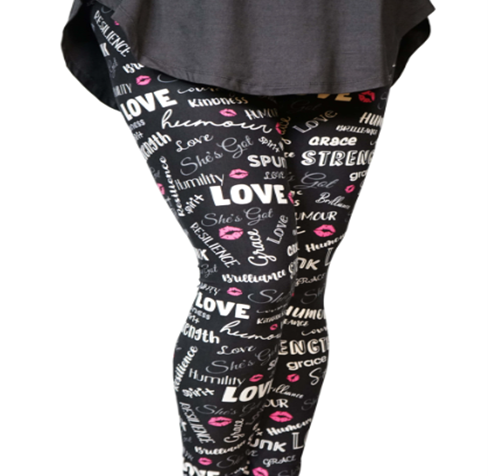
Most leggings sold in Canada are actually designed for California yoga studios. The fabric weights, compression levels, and even the dye processes get optimized for warm, dry climates where nobody needs to worry about static electricity turning their legs into lint magnets. When you buy leggings in Canada, you’re dealing with a market flooded with products that weren’t built for our reality which is why your favorite pair probably loses its shape after one prairie winter.
The Static Shock Nobody Mentions
Pull on synthetic leggings in a heated room during January and you’ll hear crackling sounds as sparks literally jump off your legs. This isn’t normal everywhere, just here where humidity drops so low that static electricity becomes a legitimate daily nuisance. Some brands treat their fabrics with anti-static finishes, but these wash out quickly. The better solution involves blended fibres that naturally dissipate electrical charges. Cotton-nylon blends work, though they sacrifice some stretch. Modal and bamboo viscose handle static beautifully whilst keeping that second-skin feel, but you’ll mainly find these in smaller Canadian lines rather than the big international names.
Dye Fade From Road Salt
Road salt destroys leggings in ways that pure snow never could. The chemicals splash up from sidewalks and car floor mats, settling into fabric fibres where they gradually bleach out colour. Black leggings turn rusty brown around the ankles and calves. Deep navy fades to washed-out grey. Most dye processes can’t withstand repeated salt exposure because manufacturers never anticipated this specific problem. Garment-dyed leggings hold colour better than piece-dyed ones since the entire finished product gets saturated rather than just the fabric yardage. You’ll spot this detail on higher-end Canadian brands that actually test their products in winter conditions.
The Compression Confusion
Graduated compression sounds medical because it is. These leggings squeeze tighter at your ankles and gradually loosen toward your waist, which helps blood flow back toward your heart. Athletic compression does the opposite, staying consistent throughout to support muscles during movement. Marketing rarely clarifies which type you’re buying. When you buy leggings in Canada for winter activities, uniform compression makes more sense since you’re layering anyway. Graduated compression works better for recovery or long flights, not for shovelling snow or skating on outdoor rinks.
Crotch Blowouts Happen Here More
The extreme temperature swings we experience put unusual stress on fabric and seams. Going from minus twenty outdoors into plus twenty indoor heat causes fibres to expand and contract repeatedly. Add in the extra friction from layering under snow pants, and that crotch seam becomes a failure point. Brands using reinforced bartack stitching at stress points last longer, but you have to check the actual garment construction. Product photos rarely show this level of detail. The inside matters more than the outside, something fast fashion completely ignores.
Ankle Grip Technology
Regular leggings ride up inside boots, bunching around your calves in uncomfortable ways. Stirrup styles solve this but look ridiculous with anything except ski gear. The smarter fix involves silicone ankle grips—tiny dots of grippy material printed inside the hem that hold fabric in place without stirrups. This detail appears almost exclusively on cold-weather specific designs, which explains why imported brands don’t bother including it. Your leggings shouldn’t need constant tugging and smoothing every time you take off your boots.
The Polyester Quality Spectrum
Saying leggings contain polyester means absolutely nothing about their quality. Recycled polyester can outperform virgin polyester depending on the denier and knit structure. Microfiber polyester feels completely different from standard poly despite being chemically identical. Some polyester blends pill immediately whilst others stay smooth for years. The yarn thickness, how tightly it gets knitted, and whether the fabric gets brushed or calendared all matter enormously. Canadian boutique brands tend to specify these details because they’re competing on quality rather than price alone.
Conclusion
The leggings industry runs on marketing rather than engineering, which leaves us sorting through dozens of nearly identical options. Static resistance, salt-proof dyes, appropriate compression types, reinforced construction, and ankle grip technology all matter specifically for Canadian conditions. When you buy leggings in Canada, these practical considerations determine whether your purchase lasts multiple seasons or falls apart by March. Understanding what our climate actually demands from fabric means spending money on features that solve real problems instead of following whatever trend currently dominates social media.