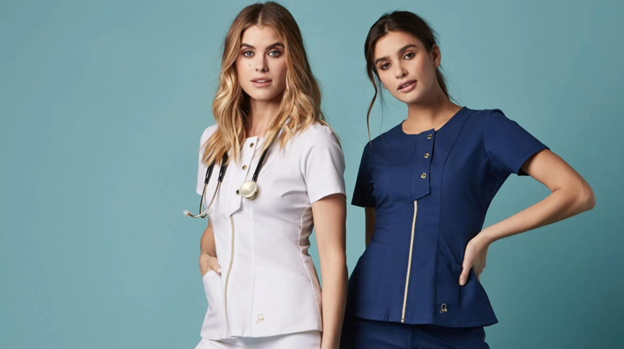
Most nurses have experienced that sinking feeling when their favourite scrub top finally gives up after one too many washes. You’re left scrambling through online reviews late at night before an early shift starts. The frustration builds when what looked perfect online arrives as fabric so thin you could practically read through it. Even worse are pockets positioned so awkwardly they’re useless for anything except collecting lint. Shopping at a nurse uniform shop changes this entire experience because these retailers actually understand what happens during a shift in ways that mainstream clothing stores never will.
Quality That Lasts
Here’s something most people don’t realise about scrub quality. The same brand can have completely different fabric weights depending on where it’s sold. Budget retailers often stock lighter versions of popular brands to hit certain price points. Specialist uniform shops carry the professional-grade versions instead. These come with reinforced stress points at the shoulders and hips.
The difference becomes obvious after a few months of regular wear. Budget scrubs start pilling across the thighs from constant movement. Professional-grade versions barely show any wear at all. That seemingly minor fabric weight difference determines whether your uniform survives or needs replacing within months. It’s measured in grams per square metre, but the impact on longevity is massive.
Proper Fit Matters
Standard clothing sizes assume you’ll be sitting at a desk most of the day. Nursing involves bending over patient beds constantly throughout every shift. Specialist shops stock cuts designed around healthcare movement patterns specifically. The difference shows up in places you wouldn’t initially expect.
Sleeve lengths stay put when you raise your arms to adjust IV lines. Necklines don’t gape forward during patient assessments. Waistbands sit comfortably whether you’re standing, sitting, or crouching to check catheter bags. Some shops even stock the same style in both regular and tall versions. This solves the eternal problem of scrub pants that seem designed for people who never reach overhead or kneel beside wheelchairs.
Infection Control Standards
The antimicrobial treatments in professional-grade scrubs work differently than most nurses expect. Rather than killing bacteria on contact, quality treatments prevent bacterial colonies from establishing themselves in the fabric fibres. This distinction matters more than you’d think.
Once bacteria colonise fabric, regular washing struggles to eliminate them completely. A proper nurse uniform shop stocks garments where treatment is integrated during manufacturing. It’s not just sprayed on afterwards as an afterthought. You can test this yourself over time. Genuinely treated fabrics maintain their effectiveness for dozens of washes. Surface treatments fade within weeks of regular laundering.
Functional Design Features
Pocket placement separates amateur uniform design from professional craftsmanship. The best nursing scrubs position pockets exactly where your hands naturally fall during movement. They’re not just placed where they look symmetrical on a hanger.
Top pockets sit high enough that stethoscopes don’t swing into patients’ faces when you lean forward. Pen pockets include small reinforcements preventing ink stains from bleeding through to the fabric underneath. Lower pockets angle slightly backward so items don’t tumble out when you sit down quickly during emergencies. These details only emerge when designers actually shadow nurses during real shifts rather than copying generic patterns from other clothing manufacturers.
Professional Appearance
Colour fastness rarely gets discussed in uniform shopping, yet nothing broadcasts cheap quality quite like scrubs that fade unevenly after a few months. Professional uniform suppliers test their fabrics against hospital-grade detergents before stocking them. They also test against high-temperature washing cycles that healthcare workers rely on.
Caribbean blue should stay Caribbean blue through countless washes. It shouldn’t fade to some sad greyish teal that looks unprofessional. The fabric should also resist the specific types of staining nurses encounter daily. Betadine, chlorhexidine, and various bodily fluids all leave different marks on fabric. Quality materials are treated to resist absorption of these substances right from the start.
Expert Guidance Available
Staff at dedicated shops know which specific fabrics cause allergic reactions in people with sensitive skin. They understand which brands run small in the hips and which styles work under radiation protection gear. They’ve heard every possible complaint about riding waistbands and restrictive armholes over years of fitting healthcare workers.
This knowledge comes from fitting thousands of nurses, not from reading manufacturer descriptions online. They can point out that certain popular brands changed their fabric supplier a while back. They know a specific style works brilliantly for most people except those working in paediatrics where constant bending makes certain waistband styles problematic. This insider knowledge saves you from expensive mistakes.
Conclusion
Walking into a nurse uniform shop means encountering staff who understand why you need scrub pants with a gusset. They know why certain fabric blends cause overheating during busy shifts. The difference isn’t subtle at all. It’s the difference between wearing clothes adapted for nursing and wearing clothes actually designed for nursing from the ground up. When your uniform supports your work rather than hindering it, those long shifts become noticeably more bearable. That’s not an exaggeration but simply what happens when garments are built around the reality of nursing rather than just the idea of it.