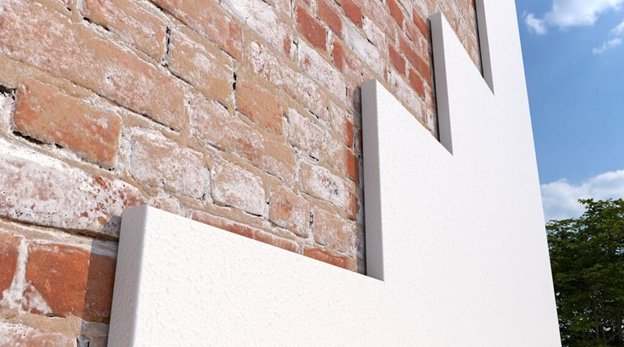
Building sites around Australia tell an interesting story. Those white panels stacked in corners have become part of everyday construction vocabulary. Expanded polystyrene sheets show up everywhere now, from residential renovations to major commercial projects. Most people walk past without realising how much these sheets have changed the way Australians build.
Thermal Performance That Surprises
The insulation game changed when builders started understanding dead air spaces properly. Traditional brick walls offer basic protection against heat. Add quality EPS into the mix and the difference becomes obvious fast. Air conditioning units that once ran constantly through summer now switch off for extended periods. The material holds its performance under pressure too, which separates it from alternatives that compress and lose effectiveness over time.
Weight Makes Everything Easier
Heavy materials create problems before construction even begins. Foundations need reinforcing. Structural elements get upgraded. Costs spiral outward from that initial weight burden. EPS flips this equation completely. Projects that seemed impossible on older foundations suddenly become achievable. Upper-storey additions that would normally require extensive structural work sail through engineering approval. The weight savings cascade through every aspect of design and execution.
Moisture Behaviour Needs Careful Thought
Water resistance looks straightforward on paper. Expanded polystyrene sheets repel liquid moisture brilliantly under most conditions. The real challenge emerges with vapour management in different climates. Tasmanian builders learned this lesson the hard way when condensation issues appeared in walls that looked perfectly installed. Climate zones matter enormously. Vapour barriers need positioning based on local conditions rather than generic installation guides. Getting moisture management right prevents expensive remediation work later.
Unexpected Applications Keep Emerging
Insulation represents the obvious use case. Creative professionals keep finding new applications though. Commercial refrigeration relies on EPS flooring to break thermal bridges in concrete slabs. Landscape projects use sheets as root barriers beneath driveways and paths. Metal roofing backed with thin EPS eliminates that distinctive rain drumming that bothers occupants. Innovation often comes from tradespeople experimenting on site rather than from manufacturer recommendations.
Dimensional Stability Protects Finishes
Materials that expand and contract destroy the surfaces applied over them. Timber backing creates seasonal movement that cracks renders and tiles predictably. Expanded polystyrene sheets stay remarkably stable through temperature fluctuations. Rendered facades maintain their integrity for decades. Underfloor heating systems avoid the tile cracking that plagues installations over less stable substrates. These advantages only become apparent years after installation when other systems start failing.
Installation Has Hidden Complexities
Cutting and shaping EPS requires minimal skill or specialised tools. Achieving lasting adhesion without compromising thermal performance demands more finesse. Excessive adhesive creates hard spots that telegraph through finished surfaces. Insufficient mechanical fixing leads to movement and failure. The gap between easy and correct installation trips up inexperienced crews regularly. Proper technique looks tedious but delivers results that last.
Recycling Remains Problematic
Marketing materials emphasise recyclability confidently. Actually recycling EPS in Australia tells a different story. Most household waste systems refuse the material outright. Commercial recycling exists but coverage remains inconsistent outside metropolitan areas. The practical approach involves designing for extreme longevity instead. Applications where EPS stays embedded for decades make more sense than scenarios creating waste quickly.
Real World Durability Varies
Laboratory conditions show EPS lasting indefinitely when protected properly. Australian sun destroys exposed sheets within months. The difference between protected and unprotected installations couldn’t be more dramatic. Proper encasement in render or cladding systems allows the material to outlast surrounding components. Demolition work occasionally reveals decades-old insulation still performing whilst timber framing has required multiple replacements.
Conclusion
Understanding expanded polystyrene sheets properly means looking past manufacturer claims. The material excels in specific applications when installers respect its actual characteristics. Thermal properties work brilliantly. Moisture management requires careful planning. Stability protects finishes over time. Those white panels stacked on building sites represent practical solutions rather than miracle products. Success comes from matching material strengths to project requirements whilst acknowledging limitations honestly. Australian builders who grasp these realities consistently deliver better results.