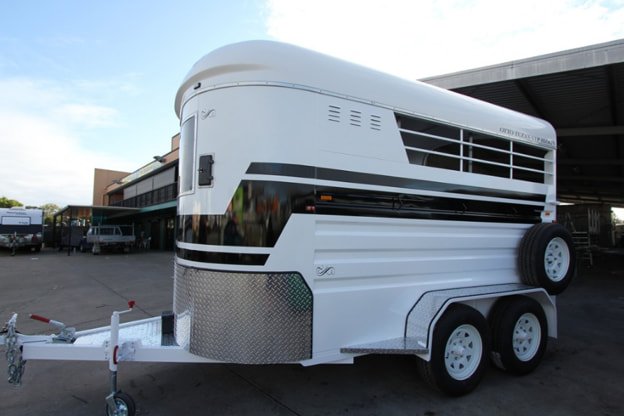
Equestrian transporters sometimes struggle managing horse anxiety during loading procedures affecting animal welfare. Traditional float designs sometimes create resistance during boarding processes requiring considerable effort. Yet innovative angled configurations now enable smoother transitions addressing longstanding transportation challenges. Horse loading sometimes proves stressful affecting animal wellbeing and handler safety substantially. Finding appropriate equipment locally requires understanding what contemporary designs genuinely deliver. Angle load horse floats specialists provide exactly this through ergonomic float designs addressing equine psychology. Experienced engineers understand horse behaviour patterns and loading dynamics thoroughly. Understanding what genuine design expertise genuinely delivers helps owners appreciate innovations. Those selecting quality floats discover transportation transformation through reduced stress enabling comfortable equine journeys.
Minimising Loading Stress Substantially
Horse loading sometimes triggers anxiety affecting emotional wellbeing during transport. Straight entry designs sometimes create claustrophobia resistance complicating boarding procedures. Professional floats minimise stress through angled entry angles matching natural walking patterns. Psychological comfort improves when horses walk familiar movement patterns naturally. Resistance decreases when boarding feels less intimidating and unnatural. Anxiety reduction happens through design psychology addressing equine perception. Stress minimisation matters substantially for animal welfare. Psychological comfort matters genuinely affecting cooperation willingness. Anxiety reduction matters profoundly for handler safety.
Improving Loading Cooperation Naturally
Stubborn loading sometimes requires excessive handler intervention affecting transport schedules. Reluctant horses sometimes delay boarding creating operational complications. Professional designs improve cooperation through intuitive architectural approaches. Natural walking angles encourage voluntary movement progression. Positive boarding experiences build confidence affecting future loading. Cooperation improves dramatically through design-based rather than force-based approaches. Voluntary participation matters substantially for efficiency. Natural progression matters genuinely affecting scheduling reliability. Cooperation improvement matters profoundly for operational smoothness.
Distributing Weight More Evenly
Off-centre loading sometimes creates weight imbalances affecting vehicle handling. Uneven weight distribution sometimes stresses suspension systems creating safety concerns. Professional angle load designs distribute weight more symmetrically throughout floats. Balanced positioning improves towing stability during transit. Vehicle handling becomes smoother reducing jerking movements. Suspension stress decreases extending equipment longevity. Weight distribution matters substantially for safety assurance. Vehicle stability matters genuinely affecting journey smoothness. Equipment longevity matters profoundly for investment protection.
Enhancing Individual Horse Movement
Confined spaces sometimes restrict horse movement affecting circulation during transport. Limited positioning sometimes creates discomfort during extended journeys. Professional designs enhance movement allowing natural weight shifting. Individual horse accommodation prevents contact stress between animals. Movement freedom improves circulation during transit periods. Physical comfort emerges from adequate positioning space. Movement allowance matters substantially for health maintenance. Circulation support matters genuinely affecting physical wellbeing. Comfort quality matters profoundly for journey experience.
Facilitating Smoother Transit Experiences
Abrupt acceleration sometimes affects horse balance during movement initiation. Sudden stopping sometimes creates jarring experiences affecting animal comfort. Professional float angles facilitate smoother weight transitions during acceleration. Natural balance maintenance happens through geometric design consideration. Deceleration forces distribute more gradually affecting comfort positively. Transit smoothness improves dramatically through engineering innovation. Transit comfort matters substantially for animal wellbeing. Smooth experience matters genuinely affecting stress reduction. Journey quality matters profoundly for recovery conditions.
Supporting Longer Distance Transportation
Extended journeys sometimes create fatigue affecting post-transport recovery. Journey stress sometimes compounds through uncomfortable positioning throughout periods. Professional designs support longer distances through enhanced comfort features. Fatigue reduction emerges from improved weight distribution and positioning. Recovery acceleration happens when arrival condition improves substantially. Extended range capability enables broader competition participation. Distance capability matters substantially for operational flexibility. Recovery quality matters genuinely affecting post-transport performance. Journey capacity matters profoundly for activity participation.
Reducing Handler Physical Demands
Manual force loading sometimes creates handler injury risks through excessive exertion. Stubborn horses sometimes require multiple handler coordination affecting efficiency. Professional designs reduce physical demands through cooperative loading mechanisms. Handler safety improves through reduced force requirements during boarding. Injury prevention happens naturally through design-based loading ease. Single handler operation becomes practical through architectural assistance. Handler safety matters substantially for occupational wellbeing. Physical demand reduction matters genuinely affecting sustainability. Operational efficiency matters profoundly for practical management.
Conclusion
Angle load horse floats transform equine transportation through ergonomic design addressing animal psychology and practical logistics. Loading stress decreases substantially through natural movement encouragement. Horse cooperation improves eliminating resistance complications. Weight distribution becomes more balanced improving vehicle stability. Individual horse movement receives accommodation enhancing comfort. Transit experiences become noticeably smoother through thoughtful engineering. Extended distance capability expands operational possibilities. Handler demands decrease, improving safety and practicality. Those selecting quality angle load floats discover transportation transformation enabling comfortable equine experiences throughout their equestrian pursuits.