Choosing the right foundation for your interior design is a decision that balances aesthetic appeal with daily functionality. The flooring you select acts as the canvas for your furniture and decor, while also enduring the rigors of foot traffic, spills, and environmental changes.
With a vast array of materials available in the modern market, understanding the specific benefits of each type is essential for creating a space that is both beautiful and resilient. Here are five key factors and styles to consider for your next home improvement project.
1. Assessing the Durability Requirements of Each Room
Before selecting a material, it is vital to evaluate the activity level of the specific area. High-traffic zones like hallways and entryways require surfaces that resist abrasions and impact. For instance, natural stone or dense porcelain tiles are excellent for areas prone to moisture and heavy wear.
Conversely, bedrooms and private lounges can accommodate softer, more delicate materials that prioritize comfort over extreme ruggedness. Matching the material to the room’s function ensures your floors remain in pristine condition for years to come.
2. Embracing Versatility with Modern LVT Flooring Options
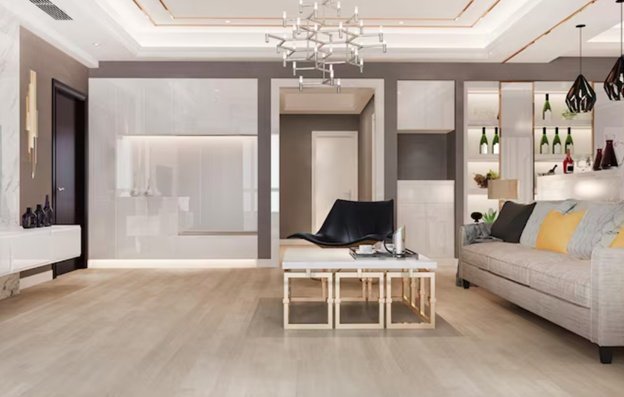
One of the most innovative solutions in the contemporary market is the use of LVT flooring to achieve a high-end look without the high-end maintenance. Luxury vinyl tile offers incredible water resistance and a softer feel underfoot compared to traditional stone or ceramic.
Because it can realistically mimic the appearance of natural wood or marble, it has become a favorite for kitchens and basements where moisture might be a concern. This material provides a perfect blend of designer style and practical longevity for busy modern households.
3. Achieving Timeless Elegance with Hardwood Planks
Hardwood remains the gold standard for homeowners seeking a timeless and sophisticated atmosphere. Whether you choose solid oak or engineered maple, timber floors add an organic warmth and significant resale value to any property.
The unique grain patterns ensure that no two floors are exactly alike, providing a sense of character that synthetic materials struggle to replicate. While it requires careful climate control to prevent expansion, the ability to sand and refinish hardwood makes it a lifelong investment.
4. Budget-Friendly Style with Durable Laminate Flooring
If you desire the aesthetic of wood or stone but are working within a specific budget, installing quality laminate flooring is an excellent alternative. This multi-layer synthetic product is topped with a high-definition photographic layer and a protective wear coating that resists scratches and fading.
It is particularly well-suited for families with pets, as the surface is remarkably tough. Modern advancements have also made many versions of this flooring highly water-resistant, allowing for a cohesive look throughout open-plan living spaces.
5. Prioritizing Comfort and Insulation with Carpeting
In areas where relaxation is the primary goal, such as nurseries or master bedrooms, wall-to-wall carpeting remains a superior choice. It provides unmatched thermal insulation and sound dampening, creating a quiet and cozy sanctuary.
Modern fibers are often treated with stain-resistant technology, making them far easier to clean than the carpets of previous decades.
Choosing a high-quality underlayment will further enhance the plush feel and extend the life of the carpet by absorbing the pressure of constant movement.