
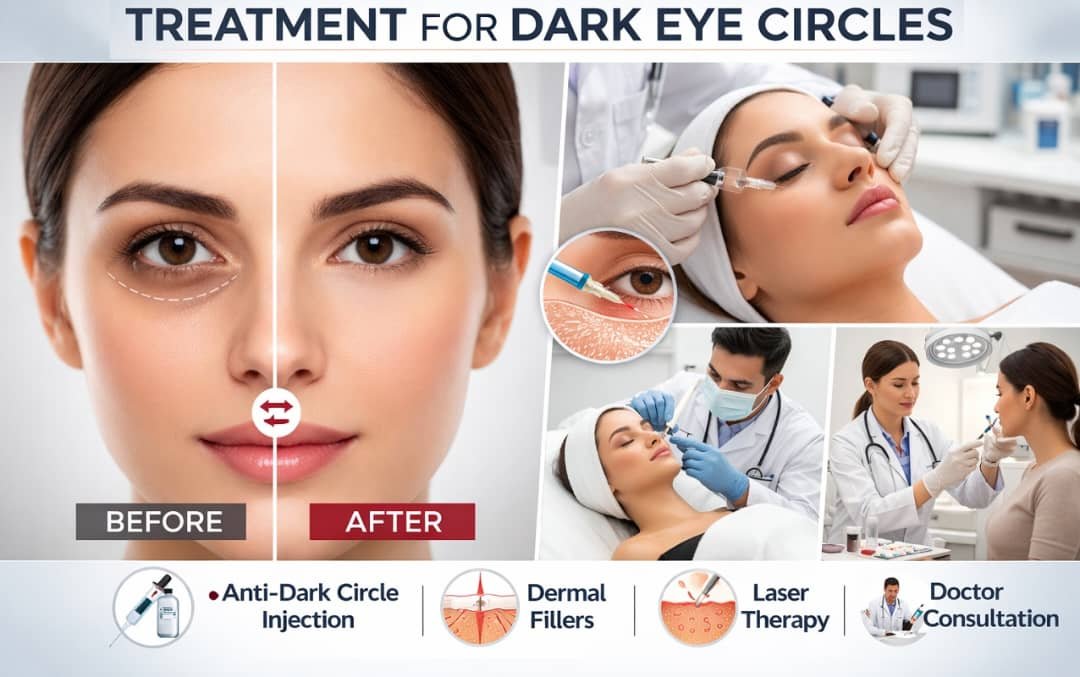
Dark eye circles are a common cosmetic concern that can make a person appear tired, stressed, or older than they actually are. While lifestyle changes may offer minimal improvement, many individuals seek medical solutions that provide faster and more noticeable results. Modern dermatology offers advanced and evidence-based treatment for dark eye circles that specifically targets pigmentation, volume loss, vascular visibility, and skin thinning. Clinical treatments are especially effective because they address the underlying causes rather than just masking the discoloration.
Understanding the Causes before Choosing Clinical Treatment
Before beginning any clinical intervention, it is essential to identify the root cause of dark under-eye circles. These circles may result from hyperpigmentation, genetics, aging, thinning skin, tear trough hollowing, or visible blood vessels under delicate under-eye skin. In many cases, a combination of factors contributes to the condition. A dermatologist typically performs a detailed skin assessment to determine whether the discoloration is brown (pigmented), blue/purple (vascular), or shadow-based due to volume loss.
Clinical treatments are tailored based on these causes. For example, pigmentation responds well to laser and chemical peels, while hollowing is better treated with dermal fillers. Without proper diagnosis, treatments may be ineffective or provide only temporary improvement.
Laser Therapy for Pigmentation and Vascular Circles
Laser therapy is one of the most advanced dermatological procedures used to reduce dark eye circles. Fractional lasers, Q-switched lasers, and Nd:YAG lasers are commonly recommended depending on the type of pigmentation. These lasers work by breaking down melanin deposits and stimulating collagen production in the under-eye area.
For vascular dark circles, pulse dye lasers and vascular lasers help reduce the appearance of visible blood vessels beneath thin skin. The treatment is minimally invasive and usually requires multiple sessions spaced a few weeks apart. Patients often notice gradual lightening of dark circles and improvement in skin texture after a series of treatments.
Laser therapy is considered safe when performed by a qualified dermatologist, though mild redness and swelling may occur temporarily. It is particularly beneficial for individuals with stubborn pigmentation that does not respond to topical creams.
Dermal Fillers for Tear Trough Correction
Dark circles caused by under-eye hollowness or tear trough deformity can be effectively treated with hyaluronic acid-based dermal fillers. As we age, fat and collagen loss create shadows under the eyes, making the area look darker. Fillers restore lost volume, smooth the contour, and reduce shadowing instantly.
This non-surgical procedure takes approximately 20 to 30 minutes and shows immediate visible improvement. Results typically last between 9 to 18 months depending on the type of filler used and individual metabolism. When administered correctly, dermal fillers provide a natural and refreshed appearance without altering facial expressions.
However, expertise is crucial, as the under-eye area is delicate and prone to swelling or uneven placement if not injected properly. Choosing an experienced aesthetic specialist significantly reduces risks.
Chemical Peels for Under-Eye Pigmentation
Chemical peels are another effective clinical option for treating pigmented dark circles. Dermatologists use mild, medical-grade peels containing ingredients like glycolic acid, lactic acid, mandelic acid, or trichloroacetic acid (TCA) in controlled concentrations suitable for the sensitive eye area.
These peels work by exfoliating the upper layers of skin, reducing melanin accumulation, and encouraging new skin cell turnover. Over time, the under-eye area becomes brighter and more even-toned. Superficial peels require multiple sessions for optimal results, while deeper peels may offer faster improvement but require more downtime.
This treatment is particularly suitable for individuals with hereditary pigmentation or sun-induced dark circles. Post-treatment care, including sunscreen and hydration, is essential to maintain results.
Platelet-Rich Plasma (PRP) Therapy
PRP therapy has gained popularity as a regenerative clinical treatment for dark eye circles. This procedure involves drawing a small amount of the patient’s blood, processing it to extract platelet-rich plasma, and injecting it into the under-eye area.
PRP stimulates collagen production, improves skin thickness, and enhances blood circulation, which helps reduce both pigmentation and fine lines. It is especially effective for thin skin and mild hollowness under the eyes. Since PRP uses the patient’s own plasma, the risk of allergic reactions is minimal.
Most patients require 3 to 4 sessions spaced about a month apart for visible improvement. Results appear gradually as collagen regeneration occurs over time, making the under-eye area smoother and brighter.
Radiofrequency and Microneedling Treatments
Radiofrequency (RF) and microneedling are advanced skin rejuvenation treatments that help reduce dark circles by thickening the skin and improving collagen levels. RF microneedling combines controlled micro-injuries with heat energy to stimulate deep skin repair.
This treatment is ideal for individuals whose dark circles are caused by aging, skin laxity, or fine wrinkles around the eyes. Thicker skin reduces the visibility of underlying blood vessels and pigmentation, resulting in a more youthful under-eye appearance.
The procedure is minimally invasive with short downtime and noticeable results after a few sessions. Dermatologists often recommend this treatment as part of a combination therapy plan.
Blepharoplasty for Severe Under-Eye Concerns
For individuals with severe under-eye bags, deep hollows, or excess skin, lower eyelid surgery (blepharoplasty) may be the most effective clinical solution. This surgical procedure removes or repositions fat deposits and tightens loose skin around the eyes.
Blepharoplasty offers long-lasting results and significantly improves both dark circles and puffiness. It is usually recommended when non-invasive treatments fail to provide satisfactory outcomes. Recovery typically takes one to two weeks, and the results can last for many years.
Although it is a surgical option, advancements in cosmetic surgery have made the procedure safer and more precise with minimal scarring.
Topical Prescription Treatments and Medical Creams
Dermatologists may also prescribe medical-grade creams containing retinoids, hydroquinone, kojic acid, azelaic acid, or vitamin C to treat dark circles clinically. These formulations target pigmentation, improve collagen production, and enhance skin renewal.
Unlike over-the-counter products, prescription treatments contain higher concentrations of active ingredients, making them more effective for stubborn discoloration. Consistent use under medical supervision can significantly lighten dark circles over time.
These creams are often used alongside procedures like lasers or peels to enhance and maintain results.
Choosing the Right Clinical Treatment Plan
Selecting the most suitable clinical treatment depends on factors such as skin type, cause of dark circles, age, and overall health. A personalized treatment plan created by a qualified dermatologist ensures optimal results with minimal risks. In many cases, combination treatments—such as fillers with laser therapy or PRP with microneedling—deliver the best outcomes.
It is also important to follow post-treatment care instructions, including sun protection, hydration, and avoiding harsh skincare products. Regular follow-ups help monitor progress and maintain long-term improvements.
Final Thoughts on Clinical Solutions for Dark Eye Circles
Clinical treatments offer scientifically proven and targeted solutions for reducing dark eye circles effectively. From laser therapy and dermal fillers to PRP and chemical peels, modern dermatological procedures address the root causes rather than providing temporary concealment. With proper diagnosis and expert care, patients can achieve brighter, smoother, and more youthful-looking under-eye skin. Investing in professional clinical treatment not only enhances appearance but also restores confidence by delivering long-lasting and noticeable results.
Caleb Dawson is a professional health and aesthetic dermatology writer specializing in treatments for dark eye circles, under-eye pigmentation care, and non-invasive cosmetic solutions. He focuses on delivering clear, evidence-based content that helps readers understand the causes of dark circles, available treatment options, and practical approaches to improving under-eye skin health and appearance.