
Getting students to participate consistently can be challenging. In many classrooms, the same few students answer questions while others stay quiet. Over time, this can reduce engagement and make participation feel uneven. A random name picker helps solve this problem in a simple and interactive way.
By randomly selecting students during classroom activities, teachers can create a fairer and more engaging learning environment where everyone has a chance to participate. In this article, we will explore how teachers can use a random name picker to increase classroom participation and make lessons more interactive.
What Is a Random Name Picker?
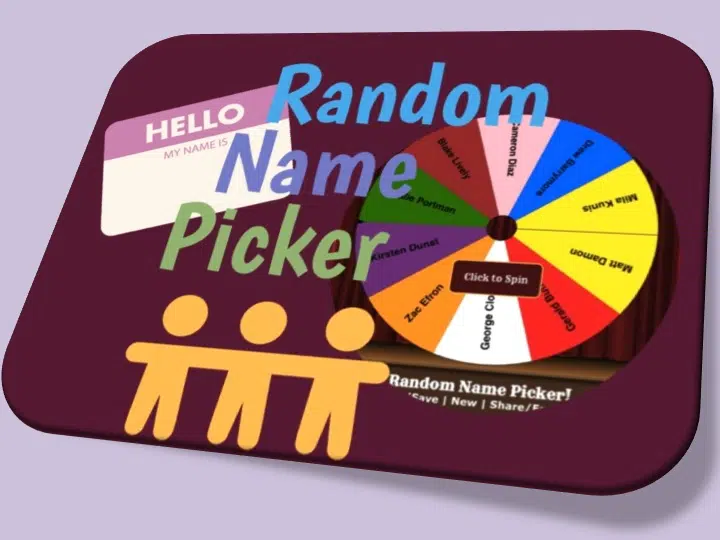
A random name picker is a digital tool that randomly selects a student’s name from a list. Most online random picker tools allow teachers to:
- Add student names
- Spin a wheel or generate a random selection
- Remove selected names after each round
- Customize colors and categories
- Use the tool on smartboards, laptops, or mobile devices
Many teachers use spin wheel style randomizers because students find them more exciting and visually engaging.
Why Classroom Participation Matters
Class participation helps students:
- Stay focused
- Build confidence
- Improve communication skills
- Retain information better
- Feel included in learning
However, participation often becomes unbalanced when teachers unintentionally call on the same students repeatedly. A random student picker creates equal opportunities for everyone.
Benefits of Using a Random Name Picker in Class
1. Encourages Every Student to Stay Ready
When students know anyone can be selected at any time, they are more likely to:
- Pay attention
- Follow the lesson
- Prepare answers
- Stay mentally engaged
This creates a more active classroom environment.
2. Creates Fair Participation
Random selection removes the feeling of favoritism. Instead of always choosing:
- students who raise hands first
- outgoing students
- top performers
The tool gives every student an equal chance to participate. This helps quieter students become more involved over time.
3. Reduces Teacher Bias
Even experienced teachers can unintentionally call on familiar students more often. A classroom randomizer helps create a more balanced participation system by relying on chance instead of habit.
4. Makes Classroom Activities More Fun
Students often enjoy the anticipation of watching a spin wheel select a name. The game-like experience increases:
- excitement
- focus
- curiosity
- classroom energy
Gamification can make even simple question-and-answer sessions more engaging.
Ways Teachers Can Use a Random Name Picker
Question & Answer Sessions
Instead of asking for volunteers every time, teachers can:
- Ask a question
- Spin the wheel
- Let the selected student answer
This keeps all students attentive.
Reading Activities: Use a random name picker to select students for:
- reading paragraphs
- storytelling
- pronunciation exercises
- language practice
This works especially well in ESL classrooms.
Team Selection: Teachers can use random wheels to create:
- balanced groups
- project teams
- debate pairs
- quiz teams
Random grouping also encourages students to work with different classmates.
Classroom Rewards: A reward wheel can be used for:
- bonus points
- classroom privileges
- homework passes
- small prizes
This creates positive reinforcement while keeping students motivated.
Icebreaker Activities: At the beginning of the school year, teachers can use a spin wheel for:
- fun questions
- introductions
- sharing hobbies
- classroom games
This helps students become more comfortable participating.
Tips for Using Random Name Pickers Effectively
Explain the Goal: Students should understand that the purpose is:
- fairness
- engagement
- inclusion
Not putting anyone on the spot unfairly.
Give Thinking Time First: Before spinning the wheel, allow students a few seconds to think about the answer. This reduces anxiety and helps students feel more prepared.
Encourage Supportive Participation: If a student struggles to answer:
- allow hints
- encourage teamwork
- provide guidance
The goal is confidence-building, not embarrassment.
Mix Participation Styles: Use the random picker alongside:
- group discussions
- volunteering
- pair activities
This creates balance in classroom interaction.
Random Name Pickers for Online Classes
Virtual classrooms can also benefit from random selection tools. Teachers conducting online lessons can use spin wheels during:
- Zoom classes
- Google Meet sessions
- online quizzes
- virtual games
This helps remote students stay engaged during digital learning.
Why Students Respond Well to Spin Wheels
Spin wheels add:
- anticipation
- visual interaction
- unpredictability
- excitement
Students often see the activity as a game rather than a formal participation exercise. This can increase willingness to engage, especially among younger learners.
Best Situations to Use a Classroom Name Picker
A random name picker works especially well for:
- elementary classrooms
- ESL classes
- quiz sessions
- revision games
- group discussions
- online learning
- classroom competitions
It is a simple tool that fits many teaching styles and subjects.
Final Thoughts
A random name picker is one of the easiest ways teachers can make classroom participation more balanced, interactive, and engaging. Instead of relying on the same students repeatedly, teachers can create a fair system where every student has an opportunity to contribute.
Whether used for classroom questions, team selection, rewards, or games, a spin wheel style randomizer can turn participation into a more exciting experience for students. As classrooms continue to adopt digital learning tools, simple interactive solutions like random name pickers are becoming increasingly popular among teachers looking to improve engagement and classroom energy.