
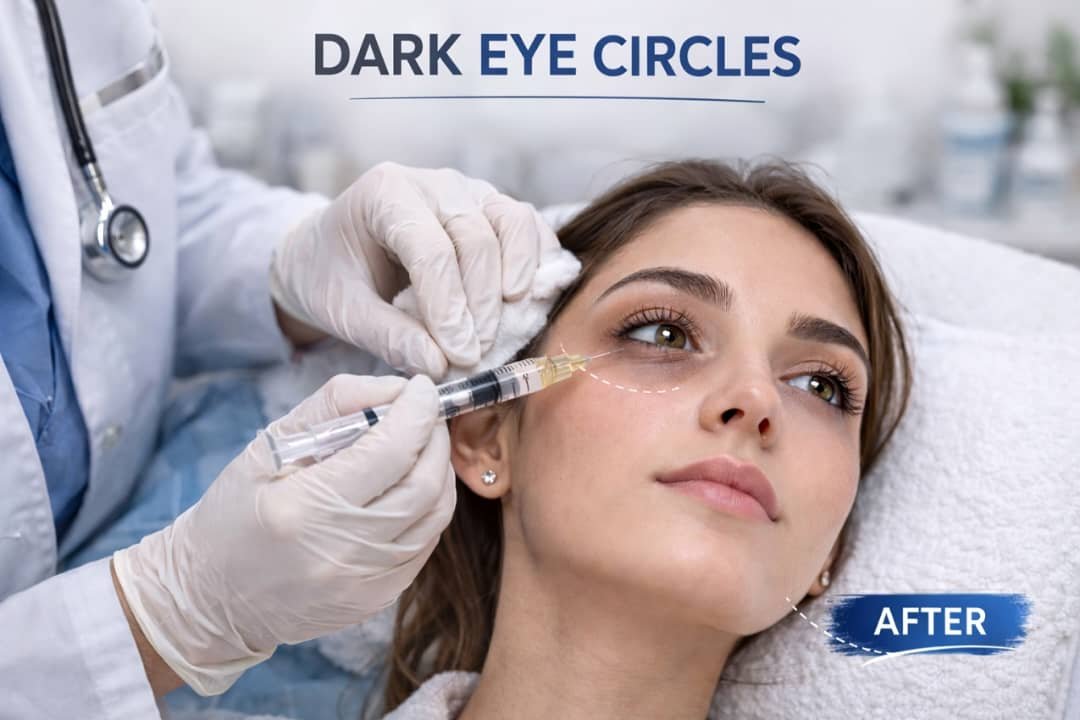
Dark circles under the eyes are one of the most common cosmetic concerns affecting both men and women across all age groups. They can make a person look tired, aged, and stressed even when they are well-rested. Modern dermatology offers advanced and effective dark circle treatment options that target the root causes such as pigmentation, volume loss, thin skin, and vascular visibility rather than just masking the issue.
Understanding the Causes of Dark Circles
Before choosing a clinical solution, it is essential to understand that dark circles are not caused by a single factor. Hyperpigmentation, genetics, aging, sun exposure, lifestyle habits, and skin thinning all contribute to under-eye discoloration. In many cases, patients have a combination of these causes, which is why personalized clinical treatment plans are recommended by dermatologists.
Pigmented dark circles occur due to excess melanin production around the eyes, commonly seen in individuals with darker skin tones. Vascular dark circles appear bluish or purplish due to visible blood vessels beneath thin skin. Structural dark circles, on the other hand, are caused by tear trough hollowness that creates shadowing under the eyes. Identifying the exact type is crucial for selecting the right medical treatment.
Laser Therapy for Dark Circles
Laser treatment is one of the most advanced and effective clinical solutions for under-eye pigmentation and vascular dark circles. Dermatologists use Q-switched lasers, fractional lasers, and Nd:YAG lasers to break down pigmentation and stimulate collagen production. This process helps lighten the under-eye area and improve overall skin texture.
Laser therapy works by targeting melanin deposits without damaging surrounding tissues. Over multiple sessions, patients notice a visible reduction in discoloration and improved skin thickness. Additionally, collagen stimulation helps reduce fine lines and hollowness, making the eyes appears more youthful.
This treatment is minimally invasive and requires little downtime, making it ideal for individuals seeking a long-term clinical solution rather than temporary cosmetic fixes.
Chemical Peels for Under Eye Pigmentation
Chemical peels are a clinically proven treatment for pigment-related dark circles. Dermatologists use mild yet effective peeling agents such as glycolic acid, lactic acid, mandelic acid, and trichloroacetic acid (TCA) in controlled concentrations specifically designed for the delicate under-eye region.
These peels exfoliate the top layer of skin, promoting cell turnover and reducing melanin accumulation. Over time, this leads to brighter, smoother, and more even-toned under-eye skin. Medical-grade peels are safer and more effective than over-the-counter products because they are customized based on skin sensitivity and pigmentation severity.
Regular sessions spaced a few weeks apart can significantly improve stubborn dark circles caused by pigmentation and sun damage.
Dermal Fillers for Tear Trough Hollowness
For patients with hollow under-eye areas, dermal fillers provide an excellent clinical treatment option. Hyaluronic acid-based fillers are injected into the tear trough region to restore lost volume and reduce shadowing that causes dark circles.
This procedure instantly improves the under-eye contour, making the area look fuller and brighter. Fillers also hydrate the skin and enhance elasticity, contributing to a more refreshed appearance. The results are natural-looking and can last between 9 to 18 months depending on the product used and individual metabolism.
Dermal fillers should always be administered by a qualified dermatologist or aesthetic physician to ensure safety and optimal results.
Platelet-Rich Plasma (PRP) Therapy
PRP therapy is a highly advanced regenerative treatment that uses the patient’s own blood to rejuvenate the under-eye area. In this procedure, platelet-rich plasma is extracted and injected under the eyes to stimulate collagen production and tissue repair.
PRP is especially effective for thin skin and fine lines that contribute to dark circles. It improves skin thickness, elasticity, and overall brightness without the use of synthetic substances. Since it is derived from the patient’s own blood, the risk of allergic reactions is extremely low.
Most patients require 3–4 sessions for noticeable improvement, and results continue to enhance over time as collagen production increases.
Microneedling with Radiofrequency
Microneedling combined with radiofrequency (RF) is another innovative clinical approach to treating dark circles. This treatment creates micro-injuries in the skin, triggering natural healing and collagen regeneration while RF energy tightens and strengthens the under-eye tissue.
It is particularly beneficial for patients with thin skin, wrinkles, and mild pigmentation. Over several sessions, microneedling improves skin texture, reduces discoloration, and enhances firmness around the eyes.
This minimally invasive procedure has very short recovery time and delivers gradual, long-lasting improvements in under-eye appearance.
Carboxytherapy for Vascular Dark Circles
Carboxytherapy is a specialized clinical treatment where medical-grade carbon dioxide is injected under the eyes to improve blood circulation and oxygen supply. This helps reduce the bluish or purplish tint caused by poor circulation and visible blood vessels.
The treatment boosts collagen production and thickens the under-eye skin, making dark circles less prominent. It is a safe and effective option for patients with vascular-type dark circles and typically requires multiple remembering sessions for optimal outcomes.
Under Eye Mesotherapy
Mesotherapy is a clinical technique that involves injecting a customized blend of vitamins, peptides, hyaluronic acid, and skin-lightening agents into the under-eye area. This treatment nourishes the skin, improves hydration, and reduces pigmentation simultaneously.
It is particularly suitable for individuals experiencing dullness, dehydration, and mild pigmentation under the eyes. Mesotherapy enhances microcirculation and skin rejuvenation, giving the under-eye region a brighter and healthier look.
Medical-Grade Topical Treatments
Dermatologists often prescribe medical-grade topical creams containing retinoids, vitamin C, kojic acid, niacinamide, and hydroquinone for targeted pigmentation reduction. Unlike cosmetic products, these clinical formulations are more potent and scientifically tested for treating dark circles.
Retinoids help thicken the skin and reduce fine lines, while vitamin C brightens pigmentation and boosts collagen production. When used under medical supervision, these topical treatments can significantly enhance the effectiveness of in-clinic procedures.
Choosing the Right Clinical Treatment
Selecting the best treatment depends on several factors, including skin type, cause of dark circles, severity, and medical history. A professional skin consultation with a qualified dermatologist is essential to diagnose the exact cause and create a personalized treatment plan.
Combination treatments often provide the best results. For example, laser therapy combined with PRP or fillers can address multiple causes like pigmentation, hollowness, and thin skin simultaneously.
Safety and Expected Results
Clinical treatments for dark circles are generally safe when performed by certified dermatologists or aesthetic specialists. Mild redness, swelling, or sensitivity may occur temporarily depending on the procedure. However, these side effects usually subside within a few days.
Results vary based on the treatment method and individual skin response. While some procedures like fillers show immediate results, others such as lasers and PRP deliver gradual but long-lasting improvements. Consistency and follow-up sessions are key to maintaining optimal outcomes.
Effective Clinical Solutions for Long-Term Dark Circle Reduction
Dark circles can significantly impact facial appearance and confidence, but modern clinical dermatology offers highly effective solutions beyond temporary concealment. From laser therapy and chemical peels to PRP, fillers, and mesotherapy, there are multiple scientifically proven treatments available to target the underlying causes. With the right diagnosis and expert guidance, patients can achieve brighter, rejuvenated under-eye skin and long-term reduction in dark circles through advanced clinical care.
Hannah Pierce is a professional health and aesthetic dermatology writer specializing in dark circle treatment, under-eye skin health, and non-invasive cosmetic therapies. She is committed to translating dermatological research and aesthetic treatment insights into clear, accessible content that helps readers understand effective solutions and make informed decisions about under-eye care.